


Last updated: September 2026
Most homeowners don’t think much about their electrical system until something goes wrong. A light starts flickering. A breaker keeps tripping. An outlet feels unusually warm. At first, these problems may seem minor. However, electrical issues often give warning signs before they become serious emergencies. Many homeowners experience electrical problems that could have been prevented if the warning signs had been recognized early.

While some issues can wait for a scheduled repair, others require immediate attention from an emergency electrician in Toronto. Knowing the difference can help protect your family, your home, and your electrical system. In this guide, we’ll explain what qualifies as an electrical emergency, the warning signs you should never ignore, the most common causes of electrical failures, and the steps you should take when a problem occurs. Whether you live in an older Toronto home or a newly renovated property, understanding these risks can help you avoid costly repairs and dangerous situations.
What Is an Electrical Emergency?
Not every electrical issue is an emergency. A burnt-out light bulb or a switch that needs replacement can usually wait for a scheduled service visit. An electrical emergency is any situation that creates an immediate risk to people, property, or your electrical system. Some emergencies are obvious, while others begin as small problems that can quickly become dangerous.
You should contact an emergency electrician in Toronto immediately if you notice:
These situations should never be ignored because electrical problems can escalate quickly. A loose connection hidden behind a wall can generate heat for weeks before causing visible damage. An overloaded circuit may continue operating until wiring insulation begins to break down. By the time smoke or sparks appear, the problem may already be serious. This is why early action matters.
Emergency vs Non-Emergency Electrical Problems
Many homeowners are unsure whether they should call an emergency electrician or schedule a standard service appointment. Problems that appear minor are not always harmless. Frequent breaker trips, for example, often indicate overloaded circuits, faulty wiring, or panel issues that could lead to larger electrical failures. The following situations are generally considered emergencies:
Emergency Situations
- Burning smells
- Smoke from outlets or panels
- Sparking outlets
- Exposed live wires
- Electrical shocks
- Power loss caused by electrical faults
- Flooding near electrical systems
- Overheated electrical panels
Non-Emergency Situations
- Installing new light fixtures
- Adding outlets
- Electrical upgrades
- Ceiling fan installation
- Minor switch replacements
- Routine inspections
If you frequently experience electrical problems, you may benefit from reading our guide on Common Electrical Issues Homeowners Face and How to Solve Them.
Why Electrical Emergencies Are More Common Than Many Homeowners Realize
Many people assume electrical emergencies only happen in very old homes. In reality, electrical failures can occur in properties of all ages. Modern homes place far greater demands on electrical systems than homes built twenty or thirty years ago.
Today’s households commonly use:
As electrical demand increases, weaknesses in the electrical system become more noticeable. In many cases, homeowners unknowingly ignore warning signs for months before a serious problem develops.
Unfortunately, these seemingly minor signs often point to larger problems developing behind walls, inside outlets, or within the electrical panel itself. The good news is that many electrical emergencies can be prevented through regular inspections, timely repairs, and professional electrical upgrades. Understanding the warning signs is the first step.
10 Warning Signs You Need an Emergency Electrician in Toronto
Electrical systems rarely fail without warning. In most cases, your home will show signs that something is wrong before a serious electrical emergency occurs. The challenge is that many homeowners don’t recognize these warning signs or assume the problem can wait.
The following issues should never be ignored:
Why Early Action Matters
One of the most common mistakes homeowners make is waiting for a small electrical issue to become a major problem.
Many electrical emergencies start with warning signs such as:
Addressing these problems early is often simpler and less costly than emergency repairs.
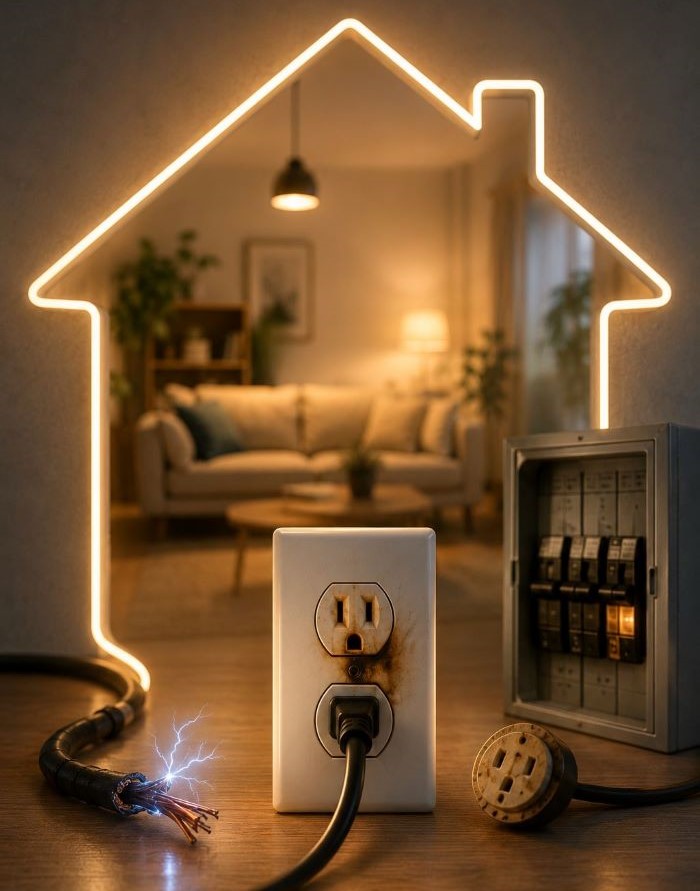
Experiencing several of the above issues may be Signs That Your Home Requires Electrical Upgrades.
Common Causes of Electrical Emergencies in Toronto Homes
Understanding what causes electrical emergencies can help homeowners identify risks before they become serious problems. While some emergencies occur suddenly, many develop over months or even years. Electrical systems are made up of many interconnected components, and a failure in one area can affect the safety and performance of the entire system.
Let’s take a closer look at some of the most common causes of electrical emergencies in Toronto homes:

Aging Electrical Systems
Many homes throughout Toronto were built decades ago. While these homes often have charm and character, their electrical systems may not have been designed to handle today’s energy demands.
Older electrical systems were typically installed when households relied on:
- A refrigerator
- Basic lighting
- A television
- A few small appliances
Today’s homes often include:
- Multiple televisions
- Computers and home offices
- Smart home devices
- Security systems
- High-powered kitchen appliances
- Air conditioning systems
- Electric vehicle chargers
Signs of an aging electrical system may include:
- Frequent breaker trips
- Flickering lights
- Warm outlets
- Limited outlet availability
- Power fluctuations
If your home is several decades old and has never had a major electrical upgrade, it may be worth scheduling a professional inspection. You may also find our article on Signs That Your Home Requires Electrical Upgrades helpful in identifying whether your system needs attention.

Outdated Wiring
Wiring is one of the most important parts of your home’s electrical system. Unfortunately, wiring does not last forever. Over time, insulation can deteriorate, connections can loosen, and previous repairs may create hidden problems. Older wiring systems may not meet current electrical demands or modern safety standards.
Common issues associated with outdated wiring include:
- Cracked insulation
- Loose wire connections
- Overheating
- Insufficient capacity
- Increased fire risk
Warning signs may include:
- Flickering lights
- Burning smells
- Hot outlets
- Frequent breaker trips
- Buzzing sounds
Homeowners often don’t realize there is a wiring problem because most wiring is hidden behind walls, ceilings, and floors. If your home’s wiring is showing signs of wear, professional electrical wiring services can help identify potential problems before they become emergencies. In some situations, a complete electrical rewiring project may be the safest long-term solution.

Poor DIY Electrical Work
Many homeowners enjoy tackling home improvement projects. However, electrical work is one area where mistakes can have serious consequences. DIY electrical repairs often create hidden hazards that may not become obvious until months or years later.
Common problems caused by improper electrical work include:
- Loose wire connections
- Improper grounding
- Circuit overloads
- Incorrect breaker sizing
- Unsafe splicing
- Code violations
These issues can increase the risk of:
- Electrical shocks
- Equipment damage
- Power failures
- Electrical fires
Even if a DIY repair appears to work initially, hidden problems can develop over time. Whenever electrical work is required, hiring a licensed electrician in Toronto helps ensure the system remains safe and compliant.

Overloaded Circuits
One of the most common causes of electrical emergencies is circuit overload. Overloaded circuits occur when too many devices operate on the same circuit. Every electrical circuit is designed to handle a specific amount of power. When too many devices operate on the same circuit, the wiring may become overloaded.
Examples include:
- Multiple space heaters
- Portable air conditioners
- Microwaves
- High-powered kitchen appliances
- Entertainment systems
- Home office equipment
Common warning signs include:
- Breaker trips
- Warm outlets
- Dimming lights
- Buzzing sounds
Overloaded circuits should never be ignored. While breakers are designed to protect your system, repeated overloads can place unnecessary stress on electrical components.

Faulty Electrical Panels
The electrical panel acts as the control center of your home’s electrical system. It distributes power throughout the property and helps protect circuits through breakers. When a panel begins to fail, a variety of problems may occur.
Warning signs include:
- Breakers that trip repeatedly
- Burning smells near the panel
- Buzzing sounds
- Hot panel surfaces
- Visible corrosion
- Power fluctuations
A failing panel can affect the safety of your entire electrical system. Panel issues should always be evaluated by a qualified Toronto electrician.
If you are unfamiliar with how your panel works, our guide Understanding Your Home’s Electrical Panel: A Complete Guide provides additional information about panel functions and warning signs.
Electrical Problems in Older Toronto Homes
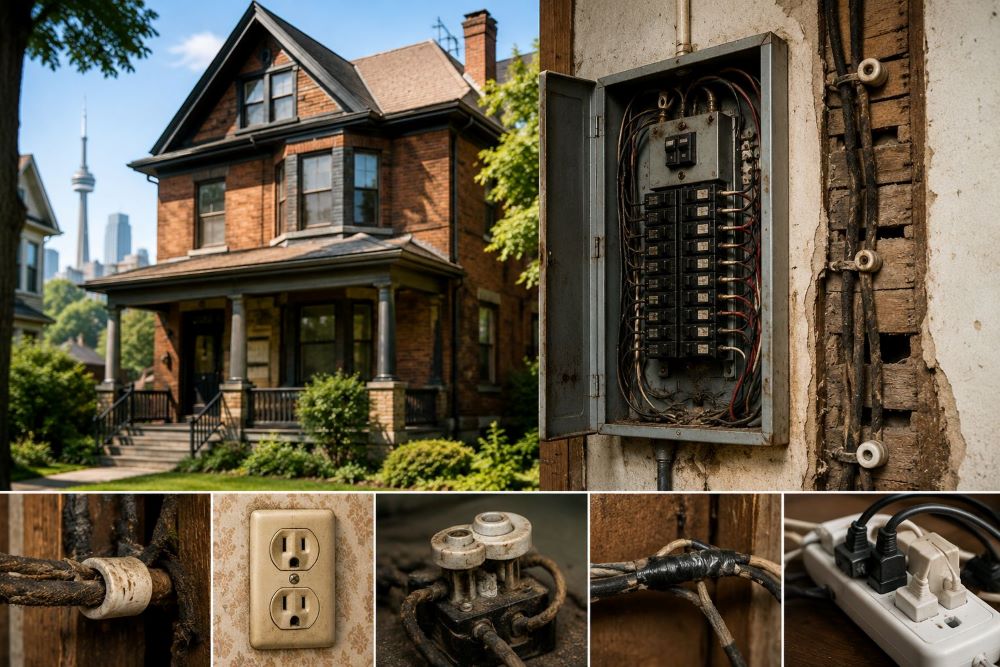
Toronto has many beautiful older neighborhoods with homes that were built before modern electrical standards were introduced. While these properties often offer unique character, their electrical systems may present challenges.
Common issues found in older homes include:
- Outdated wiring
- Limited electrical capacity
- Insufficient outlets
- Aging panels
- Previous renovation shortcuts
In some cases, older properties are purchased without realizing the electrical system has not been significantly updated in decades. As electrical demand increases, these systems may struggle to support modern lifestyles. This is one reason older homes face a higher risk of electrical emergencies compared to newer properties.
Weather-Related Electrical Damage
Toronto experiences a wide range of weather conditions throughout the year. Extreme temperatures, storms, and moisture can all affect electrical systems.
Potential weather-related issues include:
- Power surges
- Water intrusion
- Damaged outdoor wiring
- Equipment failure
- Service line damage
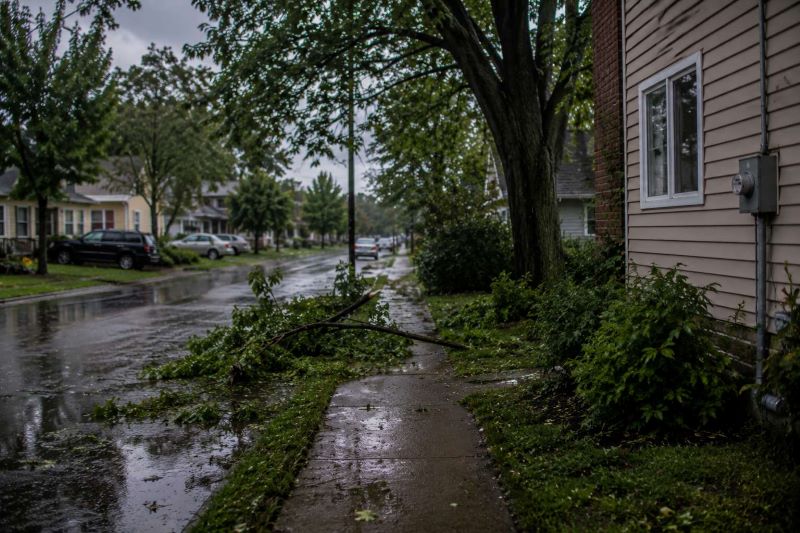
After severe weather events, you should watch for flickering lights, burning smells, loss of power, and damaged exterior equipment. Storm-related electrical problems may not always be visible immediately. Any unusual electrical behavior following a storm should be inspected promptly.
Water and Electricity: A Dangerous Combination
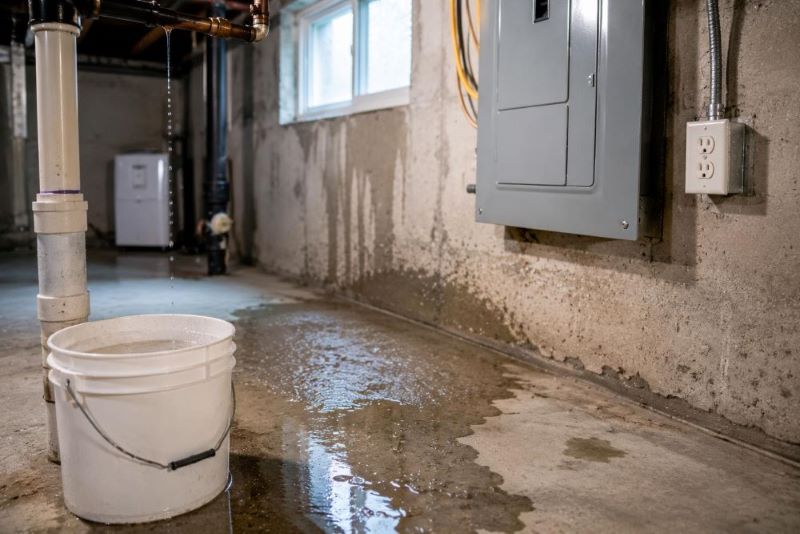
One of the biggest threats to electrical safety is water. Flooding, plumbing leaks, roof leaks, and moisture intrusion can all create dangerous conditions.
Water can damage:
- Wiring
- Breakers
- Electrical panels
- Outlets
- Light fixtures
If electrical equipment has been exposed to water, avoid touching it. Contact a professional electrician in Toronto before attempting to restore power. Even if equipment appears normal, hidden damage may exist.
Increased Electrical Demand from Modern Homes
The way we use electricity has changed dramatically over the last decade. Today’s homeowners rely on more electrical devices than ever before.
Many homes now operate:
- Smart thermostats
- Smart lighting systems
- Security cameras
- Home office equipment
- Multiple televisions
- Gaming systems
- Electric vehicle chargers

These additions place extra demand on existing electrical infrastructure. Homes that were originally designed for much lighter electrical usage may require upgrades to safely support today’s electrical demands. Ignoring increased demand can eventually lead to overheating, overloaded circuits, and emergency repairs.
EV Chargers and Electrical Capacity
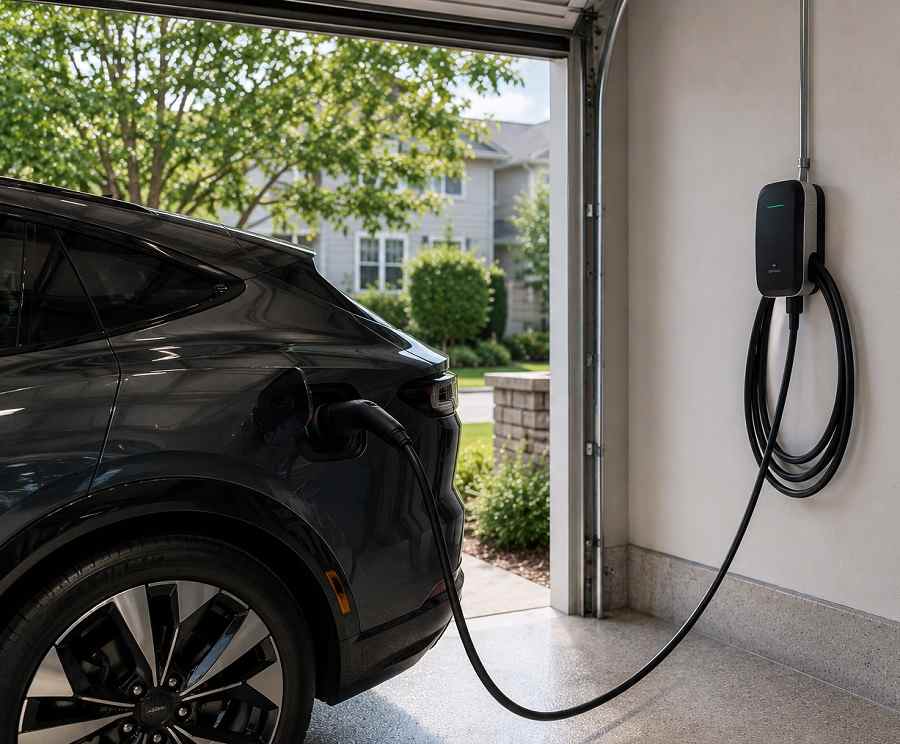
Electric vehicles are becoming increasingly popular throughout Toronto and the GTA. While home charging offers convenience, it also places additional demand on your electrical system.
A Level 2 EV charger uses significantly more power than many household appliances. Before installing a charger, homeowners should ensure their electrical system has adequate capacity.
In some cases, upgrades may be required before an installation can safely proceed. A professional assessment can determine whether your panel, wiring, and circuits can support the additional load.
This is why many homeowners choose professional EV charger installation services rather than attempting a DIY setup.
Lack of Routine Electrical Inspections
Many homeowners schedule regular maintenance for heating systems, air conditioning equipment, plumbing systems and roofing. However, electrical systems are often overlooked.
Routine inspections can identify:
- Loose connections
- Aging wiring
- Panel issues
- Safety hazards
- Capacity concerns
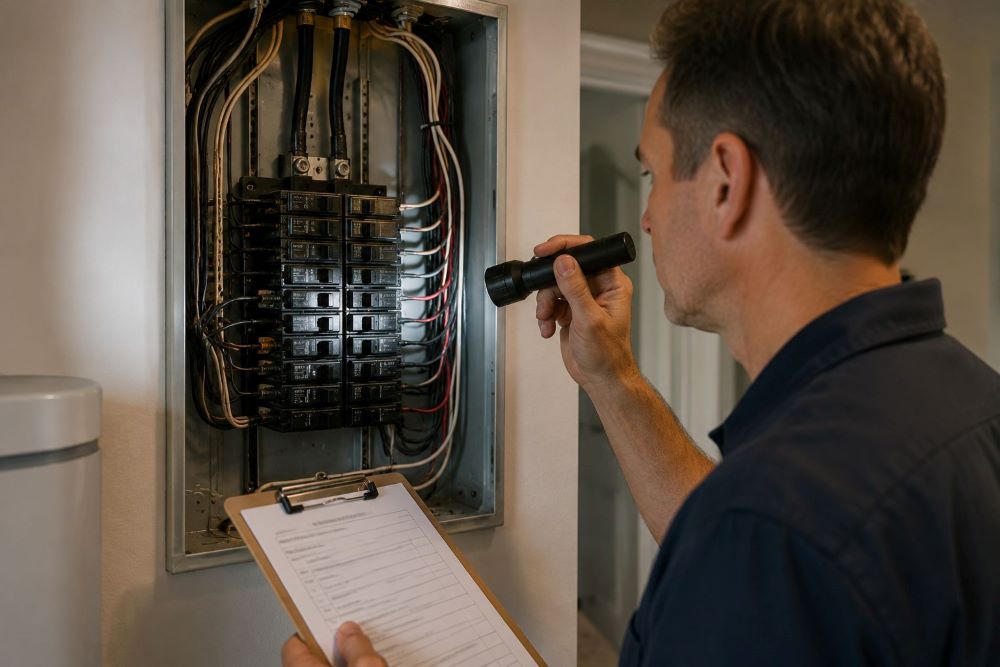
Finding problems early can prevent costly emergency repairs. Since electrical systems are largely hidden from view, periodic inspections especially important.
Can Electrical Emergencies Be Prevented?
Not every electrical emergency can be avoided. However, many of the problems discussed in this guide can be prevented through proactive maintenance and timely upgrades. The key is identifying warning signs early and addressing issues before they become dangerous.
In the next section, we’ll explore the unique electrical risks found in older Toronto homes, seasonal electrical hazards throughout the year, and what homeowners should do if an emergency occurs.
Electrical Risks in Older Toronto Homes
Toronto is home to many older properties that offer character, charm, and architectural appeal. From century homes to properties built in the mid-1900s, these homes remain popular among homeowners and buyers.
However, older homes often come with electrical systems that were not designed for today’s lifestyles. While the structure may remain sound, the electrical system hidden behind the walls may have aged significantly. Understanding these risks can help homeowners make informed decisions and avoid unexpected electrical emergencies.
Older Homes Were Built for Different Electrical Demands
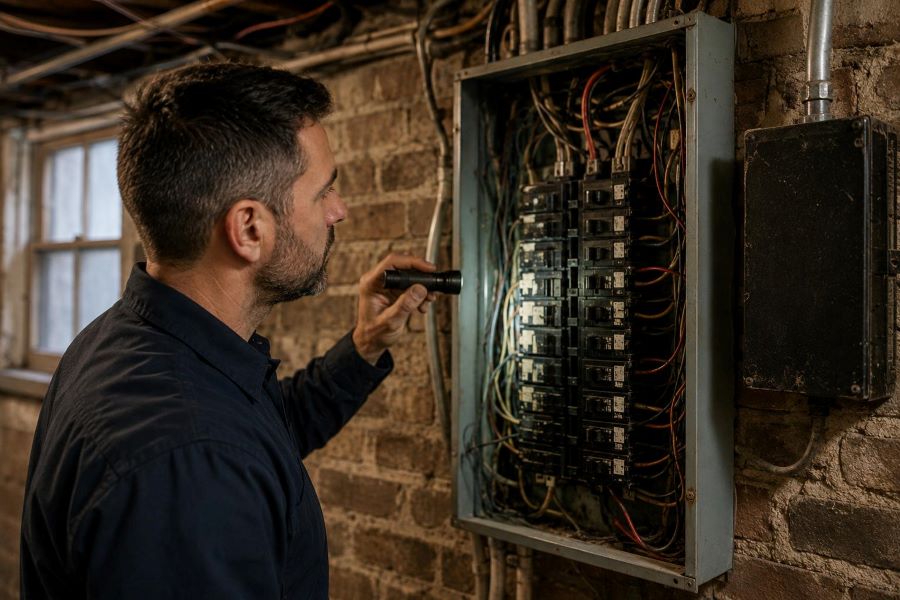
When many Toronto homes were built, electrical usage was far lower than it is today. As electrical demand increases, older systems may struggle to safely support the additional load. This often leads to frequent breaker trips, voltage fluctuations, overloaded circuits and wiring failures.
Today’s homes commonly power:
- Home offices
- Multiple televisions
- Gaming systems
- Smart home devices
- Security systems
- Air conditioning equipment
- High-powered kitchen appliances
- Electric vehicle chargers
A typical household might have used electricity for:
- Basic lighting
- A refrigerator
- A radio
- A few small appliances
Outdated Wiring Systems
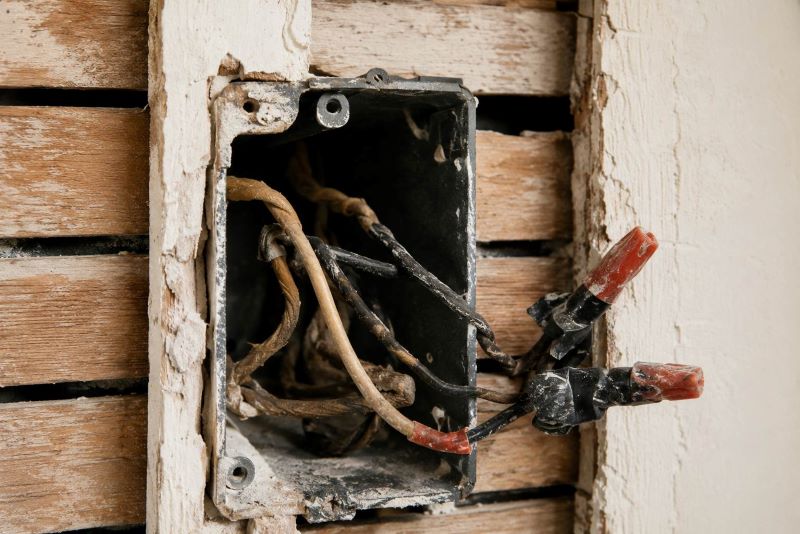
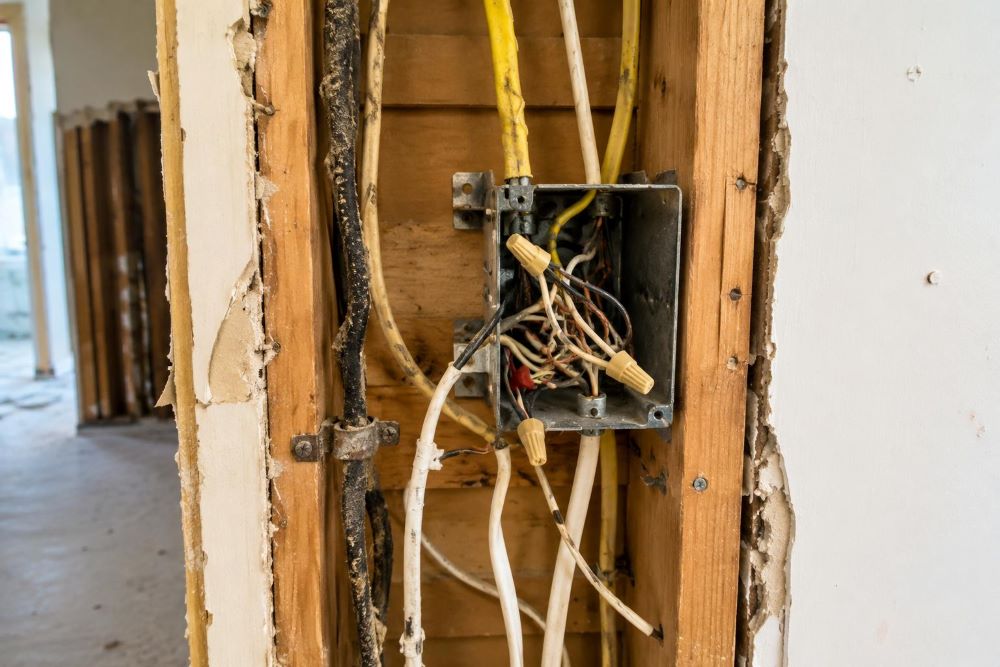
One of the most common concerns in older homes is aging wiring. Over time, wiring insulation can deteriorate, connections can loosen, and previous repairs may create hidden safety risks.
Common warning signs of aging wiring include:
- Buzzing sounds
- Flickering lights
- Warm outlets
- Burning smells
- Frequent breaker trips
Because wiring is hidden, problems often go unnoticed until symptoms appear. For older homes that have not undergone a major electrical update, a professional inspection can help determine whether repairs or rewiring are necessary.
Limited Electrical Capacity
Many older electrical systems were not designed to support modern electrical demands. Without adequate electrical capacity, circuits may become overloaded. Electrical upgrades may be necessary to improve safety and performance.
This can become a problem when adding:
- New appliances
- Home offices
- Renovations
- Basement apartments
- Electric vehicle chargers
Signs of insufficient capacity include:
- Dimming lights
- Frequent breaker trips
- Limited outlet availability
- Power fluctuations
Previous Renovations and Hidden Issues
Many older Toronto homes have undergone multiple renovations over the years. Unfortunately, not all electrical work is completed to the same standard.
Common hidden issues:
- Improper wire connections
- Overloaded circuits
- Outdated electrical components
- Unsafe modifications
- DIY repairs
Hidden issues can remain unnoticed for years before causing problems. Professional inspections can identify concerns that may not be visible during a standard home walkthrough.
Seasonal Electrical Emergencies in Toronto
Toronto experiences a wide range of weather conditions throughout the year. Each season creates unique challenges for residential electrical systems. Understanding these seasonal risks can help prevent unexpected electrical emergencies.
Winter Electrical Hazards
Cold weather places significant demands on electrical systems. As temperatures drop, many homeowners rely on additional heating equipment. Common winter electrical loads include, space heaters, electric fireplaces, heated flooring systems and portable heating devices. While these devices can improve comfort, they can also increase the risk of overloaded circuits.
Space Heater Risks
Space heaters are one of the most common causes of winter electrical problems. Issues often occur when heaters are:
- Connected to extension cords
- Plugged into overloaded circuits
- Used near flammable materials
If lights dim when a heater is turned on or breakers begin tripping frequently, your electrical system may be struggling to handle the load.

Holiday Lighting
Holiday decorations can also place additional demand on electrical systems.
Potential problems include:
- Overloaded outlets
- Damaged extension cords
- Outdoor lighting exposed to moisture
Homeowners should always use lighting products according to manufacturer guidelines and avoid overloading circuits.
Summer Electrical Hazards
Hot weather presents a different set of electrical challenges. During periods of high demand, multiple high-powered devices operating simultaneously may overload electrical systems.
Common sources of increased demand include:
- Air conditioners
- Pool equipment
- Outdoor entertainment systems
- Irrigation equipment
Signs of stress may include:
- Breaker trips
- Flickering lights
- Warm outlets
Addressing these issues early can prevent larger problems.
Storm-Related Electrical Emergencies
Severe weather can affect electrical systems in several ways. Heavy rain, strong winds, and lightning can all contribute to electrical damage. If you suspect storm-related electrical damage, a professional inspection is recommended before resuming normal use.
Potential storm-related problems include:
- Power surges
- Damaged service lines
- Water intrusion
- Equipment failures
Following a severe storm, you should look for signs like:
- Unusual electrical smells
- Power interruptions
- Damaged outdoor equipment
- Flickering lights
What To Do During an Electrical Emergency
When an electrical emergency occurs, quick and informed action can help reduce risks. The steps you take during the first few minutes may help prevent injuries and property damage.
Stay Calm
Electrical emergencies can be stressful. Remaining calm allows you to assess the situation more effectively and make safer decisions.
Avoid rushing into an area where electrical hazards may be present.
Identify the Immediate Risk
Understanding the immediate danger can help determine the safest next step. Ask yourself:
- Is there smoke?
- Is there fire?
- Are sparks visible?
- Is water present?
- Are exposed wires involved?
Turn Off Power If It Is Safe
If you can safely access your electrical panel, shutting off power may help prevent additional damage. Your safety should always come first.
Do not attempt to access the panel if:
- Smoke is present
- Water is nearby
- A fire has started
- The panel itself appears damaged
Keep Family Members Away
Children, pets, and other household members should remain away from the affected area until the problem has been resolved.
Electrical hazards are not always visible. Even an outlet that appears normal may contain dangerous internal damage.
Contact an Emergency Electrician in Toronto
Once immediate safety concerns have been addressed, contact a qualified emergency electrician. Professional electricians have the training and equipment required to diagnose the problem, identify hidden hazards, perform safe repairs and restore electrical service. Attempting complex repairs without proper training can increase risks and potentially make the situation worse.
What Not to Do During an Electrical Emergency
Knowing what to avoid is just as important as knowing what actions to take.
Do Not Ignore Warning Signs
Many homeowners delay calling an electrician because the problem appears temporary. However, warning signs such as burning smells, sparks, smoke and electrical shocks should never be ignored.
Do Not Repeatedly Reset Breakers
If a breaker trips repeatedly, there is usually an underlying issue. Continuously resetting the breaker may allow the problem to worsen. Instead, identify the cause and have the system inspected.
Do Not Attempt DIY Emergency Repairs
Electrical systems can be dangerous. Attempting repairs without proper knowledge can increase the risk of electrical shocks, fires and property damage. Professional diagnosis is always the safer option.
Do Not Touch Exposed Wiring
Even if a wire appears inactive, it may still be energized. Avoid direct contact and keep others away from the area.
Do Not Use Water on Electrical Fires
Water conducts electricity and can increase danger during an electrical fire. If an electrical fire occurs, follow emergency procedures and contact emergency services immediately.
Why Fast Action Can Prevent Larger Problems?
Electrical emergencies rarely improve on their own. In fact, delays often lead to:
- Increased repair costs
- Greater property damage
- Higher safety risks
- More extensive electrical failures
What begins as a loose connection today may become a major wiring repair tomorrow. Addressing issues early is often the most cost-effective and safest approach.
For homeowners experiencing recurring electrical concerns, our guide on Common Electrical Issues Homeowners Face and How to Solve Them provides additional information on identifying and addressing common warning signs before they become emergencies.
Emergency Electrician vs Regular Electrician: What’s the Difference?
Many homeowners are unsure whether they need an emergency electrician or if the issue can wait for a scheduled service appointment. The answer depends on the level of risk involved. An emergency electrician responds to urgent situations that require immediate attention, while a regular electrician typically handles planned electrical work.
Below are some examples of situations each typically handles:
Emergency Electricians
- Burning smells from electrical components
- Smoke from outlets or panels
- Sparking outlets
- Electrical shocks
- Power loss caused by electrical faults
- Exposed wiring
- Overheated electrical panels
Regular Electricians
- Lighting installations
- Outlet additions
- Electrical upgrades
- EV charger installations
- Renovation projects
- Electrical inspections
If there is any possibility of injury, fire, or significant property damage, emergency service is usually the safest choice. When in doubt, it is always better to seek professional advice rather than assume the issue can wait.
What Happens During an Emergency Electrical Service Call?
Many homeowners have never called an emergency electrician before and may not know what to expect. While every situation is different, the process typically follows a structured approach.
What Affects the Cost of Emergency Electrical Repairs?
One of the most common questions is how much an emergency electrical repair will cost. The answer depends on several factors. Because every emergency is different, costs can vary depending on the complexity of the problem.
How to Prevent Electrical Emergencies
While not every electrical problem can be prevented, many emergencies develop from issues that could have been identified earlier. Proactive maintenance is one of the most effective ways to protect your home and family.
Toronto Homeowner Electrical Safety Checklist
Use this checklist periodically to assess the health of your electrical system. Check for:
If you notice one or more of these warning signs, consider scheduling a professional electrical inspection.
Why Toronto Homeowners Choose Ontime Electric
Electrical emergencies require more than a quick fix. Homeowners need an electrician who can accurately diagnose problems, perform safe repairs, and help prevent future issues. With more than 20 years of industry experience, Ontime Electric has helped homeowners across Toronto and the GTA with a wide range of residential electrical services.
Professional assistance can help restore safety and peace of mind if you’re dealing with any of the following issues:
In addition to emergency services, Ontime Electric also provides:
Electrical Emergencies FAQs
Final Thoughts
Electrical emergencies can happen in any home, regardless of age or size. While some issues develop suddenly, many provide warning signs long before they become serious safety hazards. Burning smells, sparking outlets, flickering lights, repeated breaker trips, electrical shocks, and power interruptions should never be ignored. Acting quickly can help prevent property damage, reduce repair costs, and protect your family from unnecessary risks.
Understanding the common causes of electrical emergencies and recognizing the early warning signs can help homeowners make informed decisions about their electrical systems. Whether you’re facing an urgent electrical problem or need a professional assessment of your home’s electrical system, calling 416-882-6000 to reach a qualified 24/7 emergency electrician in Toronto is often the safest next step.
For homeowners throughout Toronto and the GTA, Ontime Electric provides trusted electrical services backed by more than 20 years of industry experience, helping families keep their homes safe, reliable, and powered when it matters most.
Related Electrical Safety Guides
To learn more about common electrical problems, you may also find these guides helpful: