


As electric vehicles become more common across Toronto and the GTA, Ontime Electric provides commercial EV charger installation for businesses, property managers, and fleet operators, supporting charging for employees, customers, and operations. Our team designs and installs scalable infrastructure, including electrical upgrades and load management, ensuring safe, efficient, and fully Ontario Electrical Code and ESA-compliant systems.
Expert EV Charger Installation for Businesses & Properties
Our team of licensed electricians designs EV charging systems that support multiple chargers, future expansion, and load management to minimize disruption to your operations. Our commercial EV charging solutions support employee vehicles, fleet vehicles, delivery vans, service vehicles, municipal fleets, and other electric transportation applications.
We install and service EV stations for:
- Office buildings
- Retail plazas & shopping centres
- Condominiums & apartment buildings
- Industrial facilities & warehouses
- Parking garages & surface lots
- Fleet & municipal operations

EV Charger Installation & Supported Brands
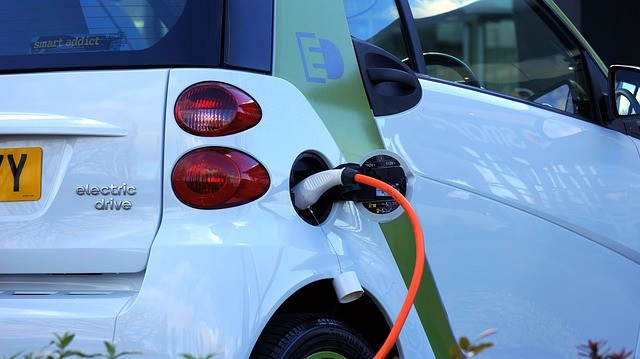
We install and service commercial EV charging stations for workplaces, multi-unit residential buildings, fleets, and public charging locations. Our team works with all major brands, including Tesla, ChargePoint, FLO, JuiceBox (Enel X), Siemens, Bosch, ABB, and Grizzl-E, as well as other networked commercial EV systems.
We install Level 2 charging stations and DC fast charger–ready infrastructure for commercial properties, ensuring:
- Proper power distribution and load balancing
- Reliable network and communication connectivity
- Full Ontario Electrical Code and ESA compliance
- Long-term system reliability and scalability
Benefits of Commercial EV Charging Infrastructure
Commercial EV charging stations can help businesses support employees, attract customers, prepare for fleet electrification, and increase property value. Scalable charging infrastructure also helps organizations meet future transportation demands while managing energy usage efficiently.
Why Choose Licensed Electricians for EV Charging Projects?
Commercial EV charger installations involve high electrical demand, shared systems, and strict compliance requirements.
Improper installation can lead to:
Ontime Electric offers:
Electrical Upgrades for EV Charging Infrastructure
Many commercial buildings require electrical upgrades to support EV charging, especially for multi-charger installations. We assess your system and provide:
Our approach ensures your EV charging infrastructure is safe, scalable, and future-ready.

EV Charging for Condos & Apartment Buildings
Condo and apartment EV charging is an increasingly common request in Toronto. These projects have unique challenges, including shared electrical capacity, individual metering and billing, load management across multiple chargers, and approvals from the condo board or property manager. We assess the building’s available capacity, design a solution that can expand as more residents purchase EVs, and provide the documentation needed for project approval.
Our EV Charger Installation Process
This process ensures a smooth, compliant installation from planning to final inspection.
Improper installation can lead to:
Ontime Electric offers:
Incentive programs for commercial and multi-unit EV charging change frequently. Property owners and eligible organizations should check current EV charging incentives before starting a project.
Areas We Serve
Ontime Electric is fully licensed, insured, and ESA‑certified serving businesses across Toronto and the GTA, including:
Get Your EV Charger Installation by Expert Electricians
Whether you’re installing EV chargers for tenants, employees, customers, or fleet vehicles, we provide professional, compliant solutions with minimal disruption to your business.
Looking for a charger at your home instead? See our residential EV charger installation service.
Commercial EV Chargers FAQs
Commercial EV charger installation costs vary based on the number of chargers, site conditions, electrical capacity and required upgrades, and distance from the power source. Typical costs include Level 2 chargers, panel upgrades, and required ESA inspections and permits. Utility approvals may also affect pricing. Contact Ontime Electric for a site-specific quote.
For a detailed breakdown of EV charger pricing factors, electrical upgrade costs, and ESA requirements, see our EV charger installation cost guide.
Yes — all commercial EV charger installations must meet ESA and Ontario Electrical Code requirements. We manage the process for you. Ontime Electric coordinates ESA inspections and documentation as part of the installation process.
Yes — we work with condo boards, property managers, engineers, and building owners to design compliant, scalable EV charging systems for multi-unit residential buildings and underground parking facilities.
Yes — we design systems that balance electrical demand across multiple chargers to avoid costly service upgrades. This is especially important for condos, offices, and fleet facilities.
Yes — we provide diagnostics, repairs, upgrades, and maintenance for commercial EV charging stations, including ChargePoint, FLO, Tesla, ABB, and other major commercial EV charger brands.
Ontime Electric has over 20 years of electrical experience. We complete ESA-certified EV charging installations for businesses, property managers, and fleet operators.
Timelines vary depending on the number of chargers, electrical capacity, and site conditions. Smaller projects may take a few days, while larger installations may take several weeks.
Yes. We design scalable EV charging infrastructure that can accommodate additional charging stations as your business, property, or fleet requirements grow.