


Last updated: September 2026
If your circuit breaker keeps tripping, you’re not alone. It’s one of the most common residential electrical problems. While an occasional breaker trip may not be a cause for concern, a breaker that trips repeatedly is usually a sign that something isn’t working as it should.

Many homeowners simply reset the breaker and move on with their day. However, if the problem continues, it’s important to understand why it’s happening. Your circuit breaker is designed to protect your home from electrical hazards. When it trips, it responds to a potential problem by shutting off power to help prevent overheating, equipment damage, and even electrical fires.
In this guide, we’ll explain the most common reasons a circuit breaker keeps tripping, what you can do about it, and when it’s time to call a professional electrician Toronto.
What Does a Circuit Breaker Do?
A circuit breaker is a safety device located inside your electrical panel. It monitors the flow of electricity through a circuit. If the breaker detects a problem, it automatically shuts off power to help protect your home.
When a breaker trips, it’s usually a sign that something needs attention. If you’re unfamiliar with how breakers work, you may also find our guide on Understanding Your Home’s Electrical Panel: A Complete Guide helpful.
Without circuit breakers, electrical systems would be at greater risk of:
- Overheating
- Electrical fires
- Damaged wiring
- Appliance damage
- Electrical shocks
Is It Normal for a Circuit Breaker to Trip?
Occasional breaker trips can happen. For example, if you plug several high-powered appliances into the same circuit at the same time, the breaker may trip to prevent overload. A one-time trip after using multiple devices is usually not a major concern. However, a breaker that trips repeatedly is different.
You should investigate the problem if:
- The same breaker trips frequently
- The breaker trips immediately after being reset
- Lights flicker before the trip
- You notice burning smells
- The electrical panel feels warm
- The issue becomes more frequent over time
These signs may indicate a deeper electrical problem.
Common Reasons Your Circuit Breaker Keeps Tripping

1. Circuit Overload
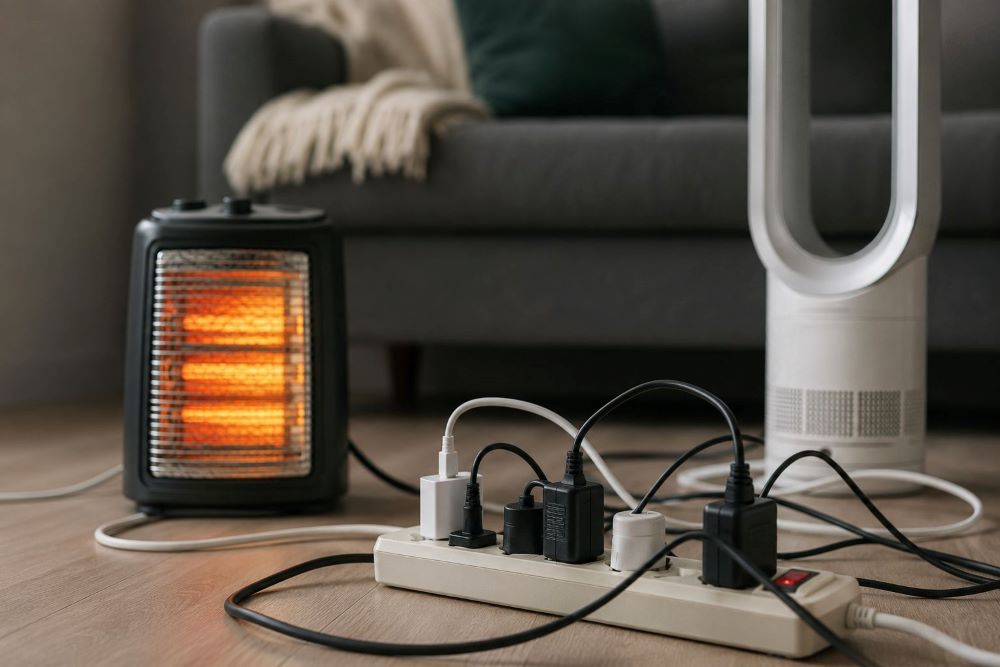
The most common reason a breaker trips is circuit overload. Every circuit in your home is designed to handle a specific electrical load. When too many devices draw power from the same circuit, the breaker shuts off power to prevent overheating.
Common examples include:
- Space heaters
- Microwaves
- Air conditioners
- Hair dryers
- Gaming systems
- Home office equipment
Signs of an Overloaded Circuit:
- Breaker trips when several appliances are running
- Lights dim when appliances turn on
- Outlets feel warm
- The problem occurs during heavy electrical use
If multiple high-demand devices are operating simultaneously, the circuit may exceed its safe capacity.
Solution: Try reducing the number of devices operating on the circuit. If overloads happen frequently, your home may benefit from additional circuits or electrical upgrades.

2. Short Circuits
A short circuit occurs when electrical current takes an unintended path. This can happen when wires touch each other or when damaged wiring creates an unsafe connection. Short circuits are more serious than simple overloads because they can generate significant heat.
Common signs include:
- Breakers tripping immediately
- Burning smells
- Smoke
- Sparks
- Blackened outlets
Because short circuits can create fire hazards, professional diagnosis is strongly recommended.
3. Ground Faults
Ground faults occur when electricity finds an unintended path to the ground. These faults are particularly common in areas where water is present, such as bathrooms, kitchens, laundry rooms, basements, and outdoor spaces. Ground faults increase the risk of electrical shock. The breaker trips to protect people and property from harm.
Signs of a Ground Fault:
- Breaker trips when using a specific appliance
- Moisture near outlets
- GFCI outlets frequently resetting
- Electrical shocks
This type of issue should be inspected promptly.

4. Faulty Appliances
Sometimes the problem isn’t the breaker but a faulty appliance causing the breaker to trip.
Common examples include:
- Refrigerators
- Dishwashers
- Washing machines
- Dryers
- Space heaters
If the breaker trips only when a specific appliance is used, unplug it and observe whether the problem continues. A licensed electrician can help determine whether the appliance or the circuit is responsible.
5. A Faulty Circuit Breaker
Like any mechanical device, circuit breakers can wear out over time.
An aging breaker may:
- Trip unnecessarily
- Fail to stay reset
- Become unreliable
Warning signs may include:
- A breaker that trips without obvious cause
- Visible wear
- Burning smells near the panel
- Warm breakers
Replacing a faulty breaker should always be handled by a qualified electrician.
6. Electrical Panel Problems
In some cases, the breaker itself isn’t the issue. The problem may originate within the electrical panel.
Potential panel-related concerns include:
- Aging components
- Loose connections
- Corrosion
- Overloaded panels
- Improper installations
If your home experiences multiple electrical issues, it may be time to have your electrical panel inspected. Professional electrical panel services can help identify problems before they lead to more extensive repairs.

7. Aging or Damaged Wiring
Older wiring systems can become less reliable over time. As wiring ages, insulation may deteriorate and connections may loosen.
This can increase the likelihood of:
- Breaker trips
- Power fluctuations
- Electrical shocks
- Fire hazards
Older homes are particularly vulnerable to wiring-related issues. If wiring problems are suspected, professional inspection is recommended.
Why You Should Never Ignore a Breaker That Keeps Tripping
Many homeowners get used to resetting breakers. However, repeated trips are often warning signs that something needs attention.
Your breaker is performing an important safety function. Instead of viewing trips as an inconvenience, think of them as an early warning system.
Ignoring the issue can lead to:
What Should You Do When a Breaker Trips?
Step 1: Turn Off Connected Devices: Unplug appliances and turn off equipment connected to the affected circuit.
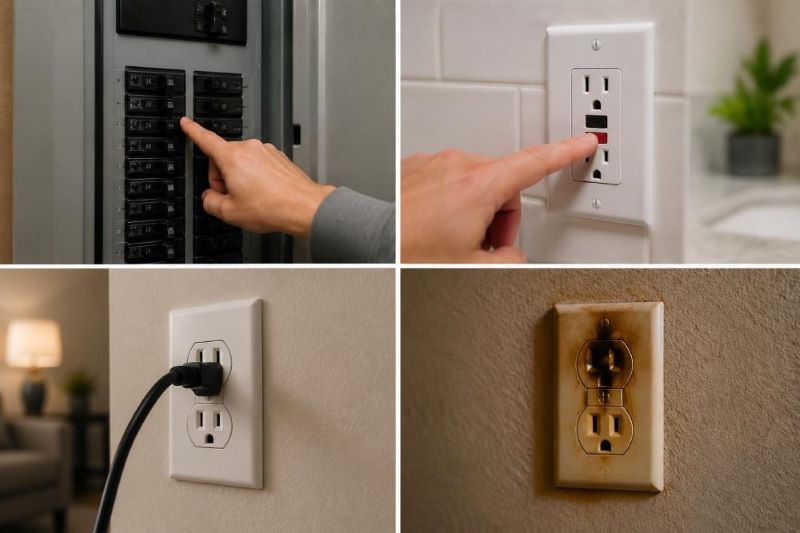
Step 2: Reset the Breaker: Move the breaker fully to the OFF position before switching it back ON.
Step 3: Observe What Happens: If the breaker remains on, reconnect devices one at a time. If it trips again immediately, further investigation is needed.
Step 4: Look for Warning Signs: Watch for burning smells, smoke, sparks, warm outlets, and buzzing sounds. These signs may indicate a more serious issue.
Step 5: Contact an Electrician if the Problem Persists: A breaker that repeatedly trips should be inspected by a licensed electrician.
When Should Toronto Homeowners Call an Electrician?
You should contact a licensed electrician if:
- The breaker trips frequently
- The breaker won’t stay reset
- You notice burning smells
- You notice sparks
- The panel feels warm
- Multiple circuits are affected
- You suspect wiring damage
Prompt action can help prevent more serious electrical issues. If breaker trips are accompanied by smoke, burning smells, or other urgent warning signs, don’t wait—call our 24/7 emergency electrician in Toronto at 416-882-6000.
You can also learn more about serious warning signs in our guide: Electrical Emergencies in Toronto Homes: Warning Signs, Causes, and When to Call an Emergency Electrician.
How to Prevent Future Breaker Trips
While not every issue can be prevented, these steps may help reduce problems:
- Avoid overloading circuits
- Use appliances according to manufacturer recommendations
- Schedule regular electrical inspections
- Upgrade aging electrical systems
- Address wiring concerns promptly
- Have your electrical panel inspected when necessary
Preventive maintenance often costs far less than emergency repairs.
Circuit Breaker Keeps Tripping FAQs
Final Thoughts
If your circuit breaker keeps tripping, it’s important to understand that the breaker is doing exactly what it was designed to do—protect your home from potential electrical hazards. While occasional trips may occur due to temporary overloads, repeated trips often indicate a larger issue that shouldn’t be ignored.
Whether the cause is an overloaded circuit, a faulty appliance, aging wiring, or an electrical panel problem, addressing it early can help protect your home and avoid costly repairs. For Toronto homeowners experiencing recurring breaker trips or other electrical concerns, our residential electricians handle professional inspection that can help identify the cause and restore the safety and reliability of your electrical system.
Whether the cause is an overloaded circuit, a faulty appliance, aging wiring, or an electrical panel problem, addressing it early can help protect your home and prevent costly repairs. For Toronto homeowners experiencing recurring breaker trips or other electrical concerns, our residential electricians provide professional inspections to identify the cause and restore the safety and reliability of your electrical system.
Related Electrical Safety Guides
To learn more about common electrical problems, you may also find these guides helpful: