


Last updated: May 2026
Electrical safety inspections play a critical role in maintaining safe homes and businesses.
Inspections ensure electrical systems in any building are up to code, safe, and prepared for that day’s energy needs without posing risks. So, giving priority to electrical safety inspections makes hazards much less probable, maintains compliance with electrical safety codes, and ensures you make more informed decisions about the safety and efficiency of your home or business.
Why Electrical Safety Inspections Matter

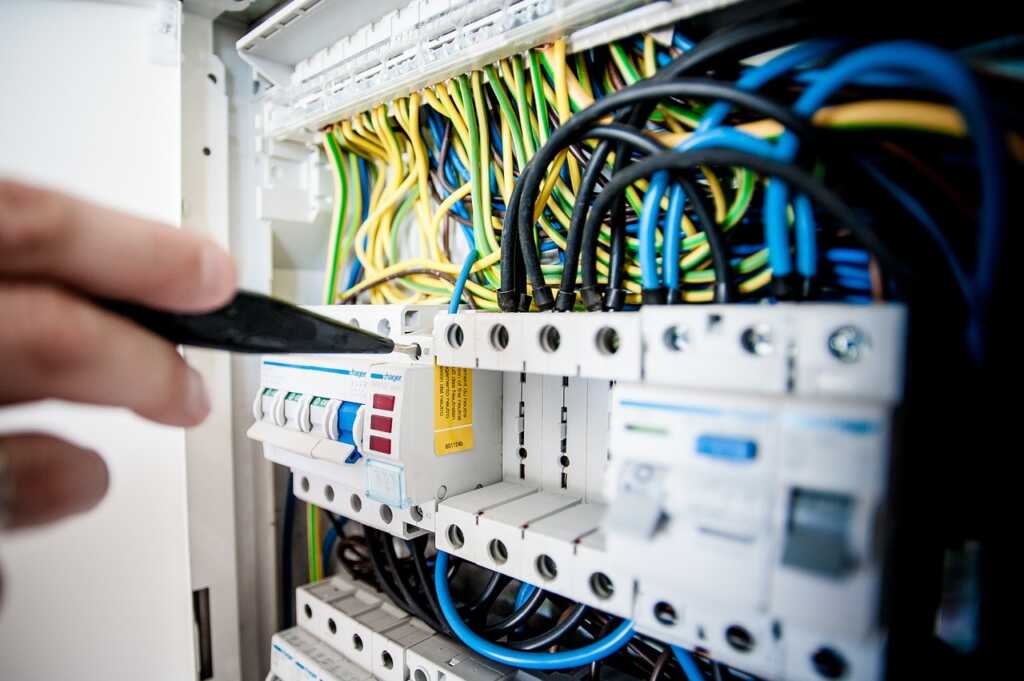
Electrical systems are often overlooked, but they can become outdated over time. Regular electrical safety inspections help identify potential hazards before they become serious problems. These hazards may include frayed wire insulation, overheating circuits, or outdated panels. The earlier these issues are detected, the less likely you are to face costly damage or electrical emergencies.
Professional electricians, such as Ontime Electric, ensure quality and safety for every job. Hiring a local electrician helps ensure compliance with local electrical codes and safety standards, keeping your home safe and up to date
[
Prevention of Electrical Hazards
Electrical fires are among the most common avoidable risks in homes and businesses. With the help of a licensed electrician, potential hot spots—such as overheating circuit breakers and loose connections—can be identified, as they may ignite nearby flammable materials. A home electrical inspection is an investment in protecting your property while significantly reducing the risk of fire hazards.
Key Benefits of Regular Electrical Safety Inspections
Identifying Electrical Hazards
A professional residential electrician can identify electrical hazards that the average homeowner may not be aware of. Poor wiring, defective switches, and ungrounded outlets can all result in serious threats. Proper inspections reduce the risk of electrical shocks, fires, and other dangerous situations.
Code Compliance
Electrical safety codes evolve with technology and research. Scheduled electrical inspections ensure that your home or business is brought into compliance with current electrical codes, helping you stay up to date with technological changes while avoiding penalties, potential insurance issues, and accidents.
Preventive Maintenance Cost Savings
Issues caught early, such as a minor circuit overload or a faulty breaker, may save you money compared to allowing them to become more costly to repair. Electrical maintenance through periodic inspections is an investment that can save money in the long run by avoiding emergency repairs and preventing appliances from failing abruptly.
Increase Energy Efficiency
Also, a professional home electrical inspection may reveal opportunities to improve energy efficiency in your home. Poor wiring and connections can consume more energy and increase utility expenses over time. Waste can be minimized and energy conserved when your system is functioning properly.
Improving Safety in Your Home
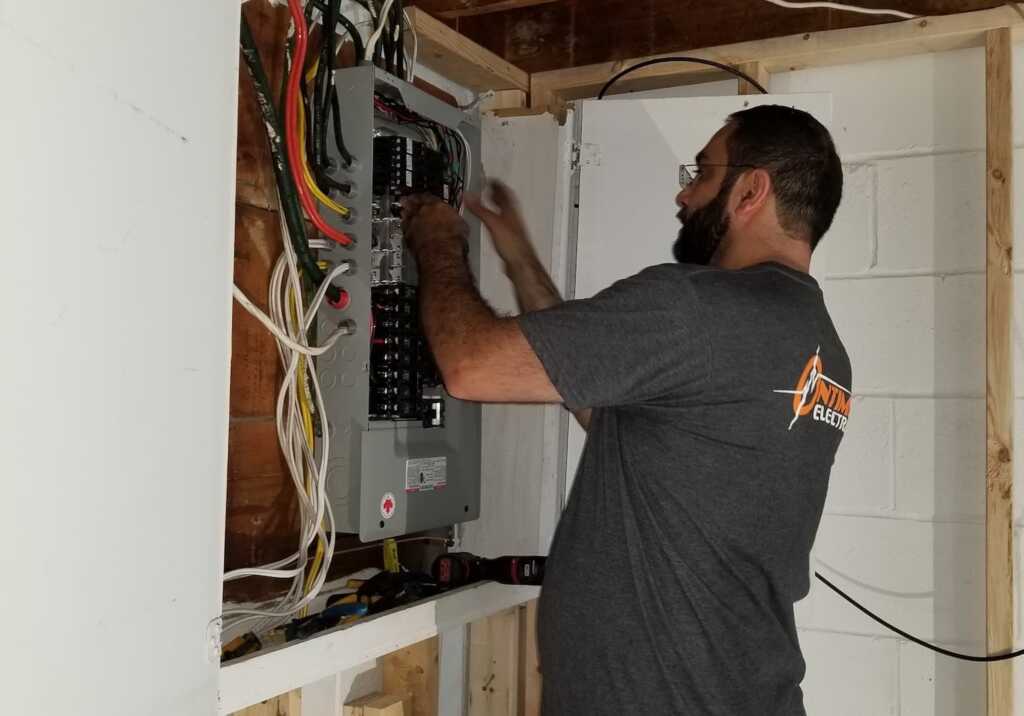
Electrical safety goes beyond visible repairs. An inspector checks that outlets are functioning properly, verifies that wiring is safely grounded, and ensures proper load capacities. Especially in older homes, an electrical safety inspection can reveal areas where the system no longer meets modern safety standards. Bringing your electrical system up to code ensures safe operation while protecting both your home and your family.
How Often Should Electrical Inspections Be Done?
New homes are encouraged to be inspected after 10 years, while older homes are recommended to be inspected every 3 to 5 years. The inspection is conducted based on the age, use, and local requirements enforced on the house; therefore, it is recommended to seek a certified electrician for guidance on your requirements.
Electrical Safety Inspection Checklist
During an inspection, professionals evaluate the following:
- Condition of wiring: Check for damaged or outdated wiring.
- Circuit breakers and panels: Verify they are functioning properly to prevent overloads.
- Outlets and Switches: Ensure they are properly wired and correctly grounded.
- GFCIs: Confirm they are safely installed to help prevent electrical shock.
A comprehensive electrical inspection is a proactive way to maintain a safe and secure home. It can also provide important home electrical safety tips for properly maintaining outlets, cords, and appliances.
Common Electrical Hazards in Homes

Older homes often have outdated electrical wiring that cannot support modern loads, increasing the risk of fire. Common electrical hazards also include poorly installed outlets, overloaded circuits, and improper use of extension cords. Properties that rely on extension cords permanently should consider upgrading their electrical system to reduce risks.
Commercial Building Electrical Inspections
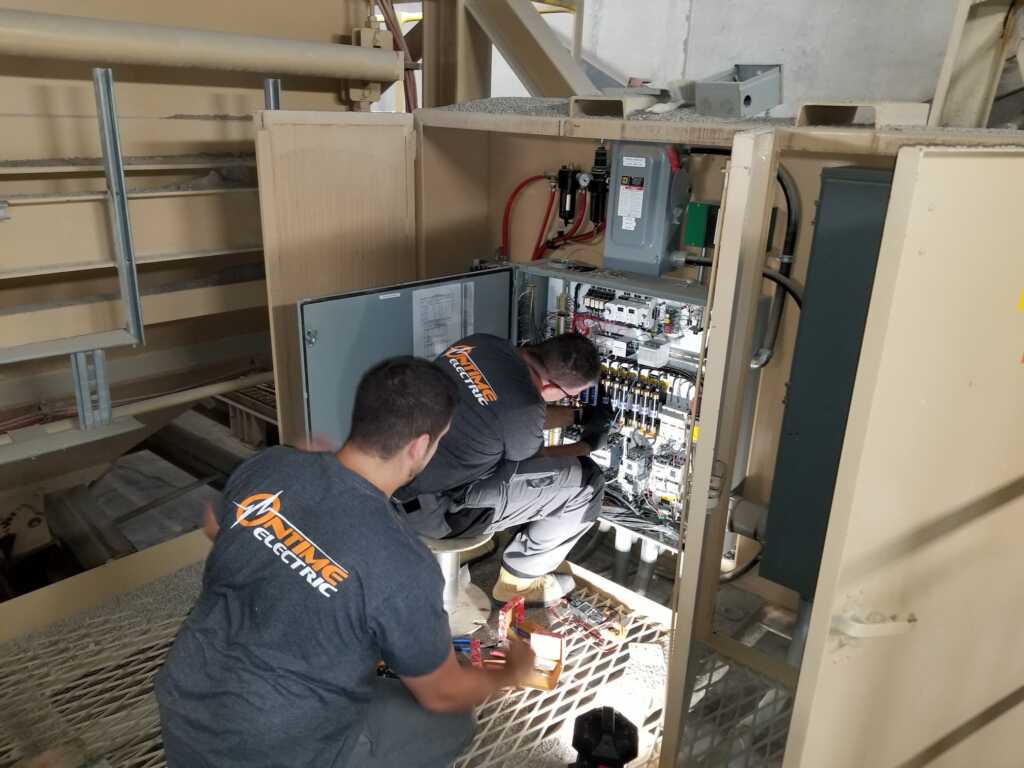
Due to higher electrical demand, commercial buildings require more frequent electrical safety inspections. They often use complex equipment, so inspections help reduce operational disruptions. Electrical inspection services in commercial environments focus on code compliance to ensure safe and lawful operations for workers.

Engagement of Licensed Electrician

A qualified inspector should be a licensed electrician experienced in both residential and commercial inspections. Electrical inspection requires technical knowledge. Only an expert with a strong understanding of electrical hazards can effectively identify risks and provide solutions.
Choosing a Certified Electrician in Toronto
If you’re seeking a certified electrician in Toronto, choose one with a valid license, strong reviews, and a proven track record. Hiring a licensed electrician for home safety inspections ensures a thorough and reliable evaluation of any issues.
Emergency Electrical Services in Toronto and GTA
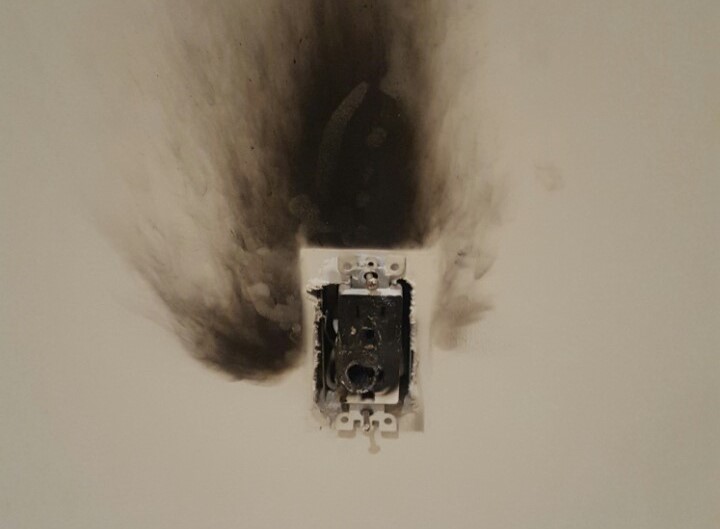
When quick repairs are needed in urgent situations Emergency electrical services in Toronto and GTA are essential. For example, a power outage during a severe thunderstorm or faulty wiring may pose a risk of electrical fire. These rapid-response services help prevent situations from worsening and protect your home or business from further danger.
Conclusion
Electrical safety inspections are essential to ensure your home’s electrical system is safe, efficient, and long-lasting. Whether it is a routine home electrical inspection or a detailed commercial inspection, preventive measures help protect your property, reduce fire risks, and avoid unexpected expenses.
Schedule a regular electrical safety inspection for your home or business to ensure it remains safe, compliant, and energy-efficient. Don’t wait for an emergency—contact a licensed electrician to keep your electrical systems in top condition for a safe, secure, and efficient space.