


In a home’s electrical system there are a number of safeguards in place to prevent electrical fires, electrical overload, damage and injury to the occupants of a home. The main method of prevention found in every home is a system of circuit breakers or fuses. Each of those components has been engineered to stop the flow of electricity in a potentially dangerous situation that manages short circuit protection and power distribution.
A circuit breaker, the new method, has a switching mechanism that automatically flips to the “off” position when an unusual surge of electricity is noticed. Alternatively, the older fuse technology has a piece of metal that melts when it gets too hot, disrupting the flow of electricity. While the majority of homes these days have circuit breakers rather than fuses, there are pros and cons for each method that you must consider when deciding to upgrade your electrical system.
The experts at Ontime Electric have combined their extensive knowledge on the subject to create this comprehensive guide so you can decide if fuses or breakers are right for your home’s electrical situation.
What are fuses?

For decades, every home had a fuse box with a number of components inside, each attached to a certain room or appliance in the home. The metal wire filament of each fuse is encased with glass, ceramic or metal. The fuse ensures that power can pass through from the main electrical grid into the desired section or appliance in your home. However, the fuse is engineered to have that filament melt away when it’s overloaded with too much electricity. This will stop the power from flowing and prevent a fire or spark burst.
A fuse is not melted instantly. It can take some time in the case of a power surge for the filament to go away and disrupt the flow of power. That’s why it’s so essential to know that there are different types and grades of electrical fuses for you to consider. Different types of fuses are engineered to handle varying amounts of electrical load. Most electricians will recommend that their clients consider picking up some fuses that are higher rated than the stated maximum capacity of the home’s operating current that runs through the fuse box. The major downside of fuses is that once they melt or blow, you must throw it out and buy a new one to replace it.
What are circuit breakers?
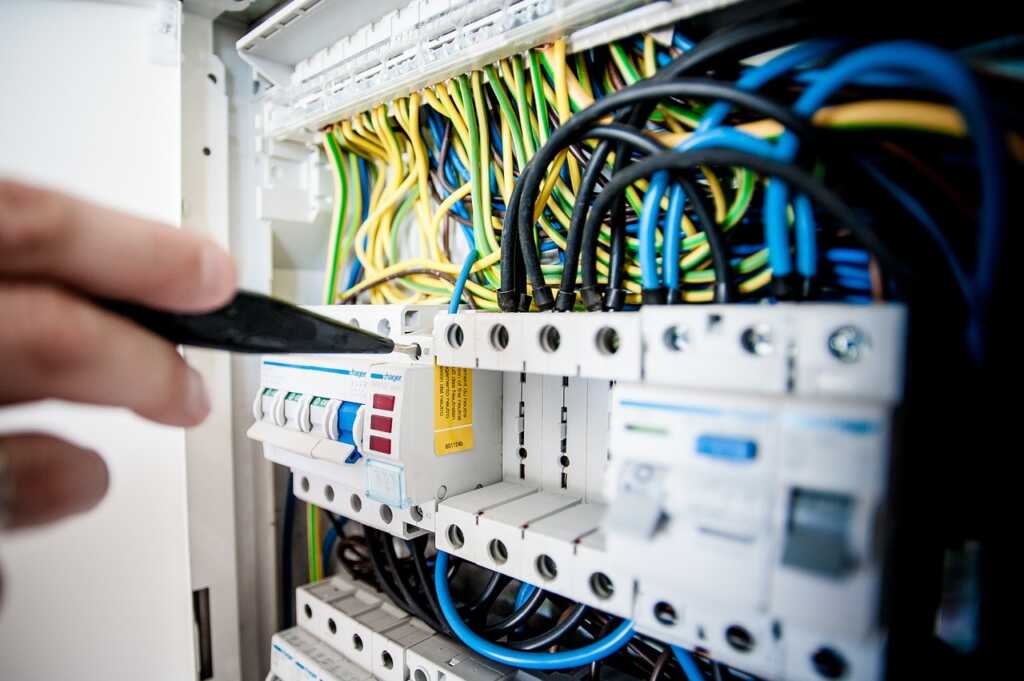
The advent of circuit breakers in home electrical systems was a game changer. Standard circuit breakers are engineered to work in two ways. The first way is through a metal strip and the second way is through the use of an electromagnet. In either case, the breaker allows power to pass from through to a top terminal from a bottom terminal.
If unsafe levels of electricity are detected running through the breaker, the mechanism is engaged to break the flow of electricity, preventing a fire or damage. No matter what method your circuit breaker uses, magnets or a metal strip, both are effective ways to monitor the flow of electricity and protect your home.
Style of Protection
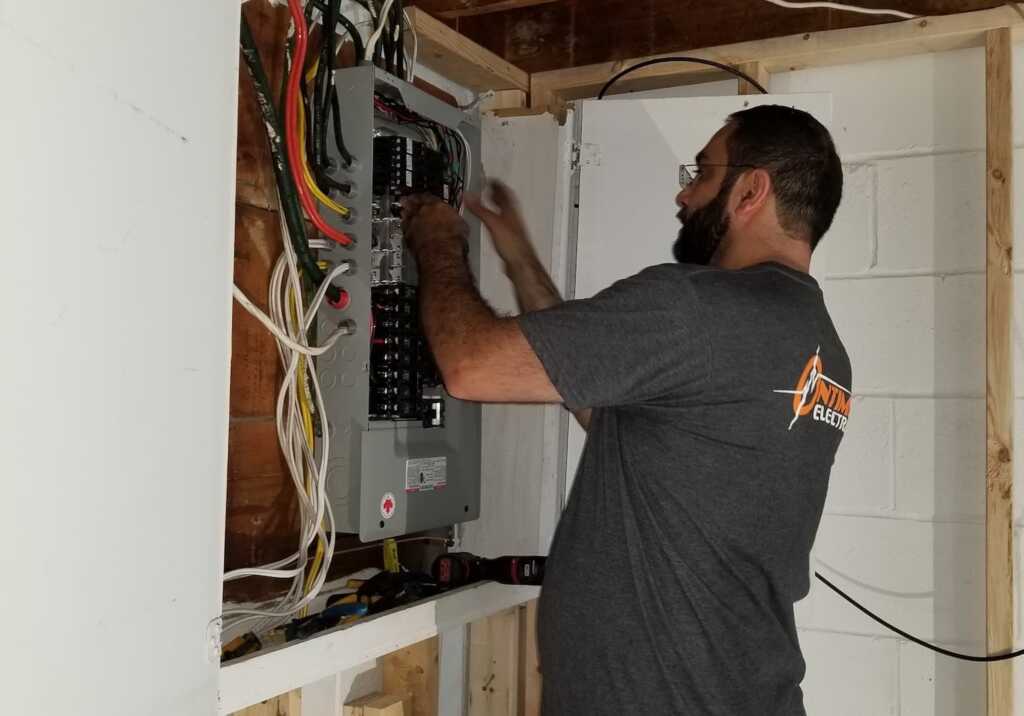
Circuit breakers and fuse boxes each offer varying degrees of protection which must be considered when deciding how to upgrade your home’s electrical system. While circuit breakers protect against both short circuits and electricity overloads, fuses will only protect you from an electricity overload.
This is why most professional professional electricians will advise you to utilize circuit breakers to harness that extra level of protection.
Responsiveness
Most homeowners love circuit breakers because if one of the tripping mechanisms is activated, you can easily flip them back as long as the electricity surge is over. If you cannot get a breaker to flip back after it’s tripped, you need to consult an electrician because there is probably a bigger issue at hand.
Also something to consider, a fuse takes longer to react to a bad situation because the fuse needs to melt, whereas with a circuit breaker, the action is virtually imminent and the switch happens almost immediately, nearly ruling out any dangerous issues.
Expenses

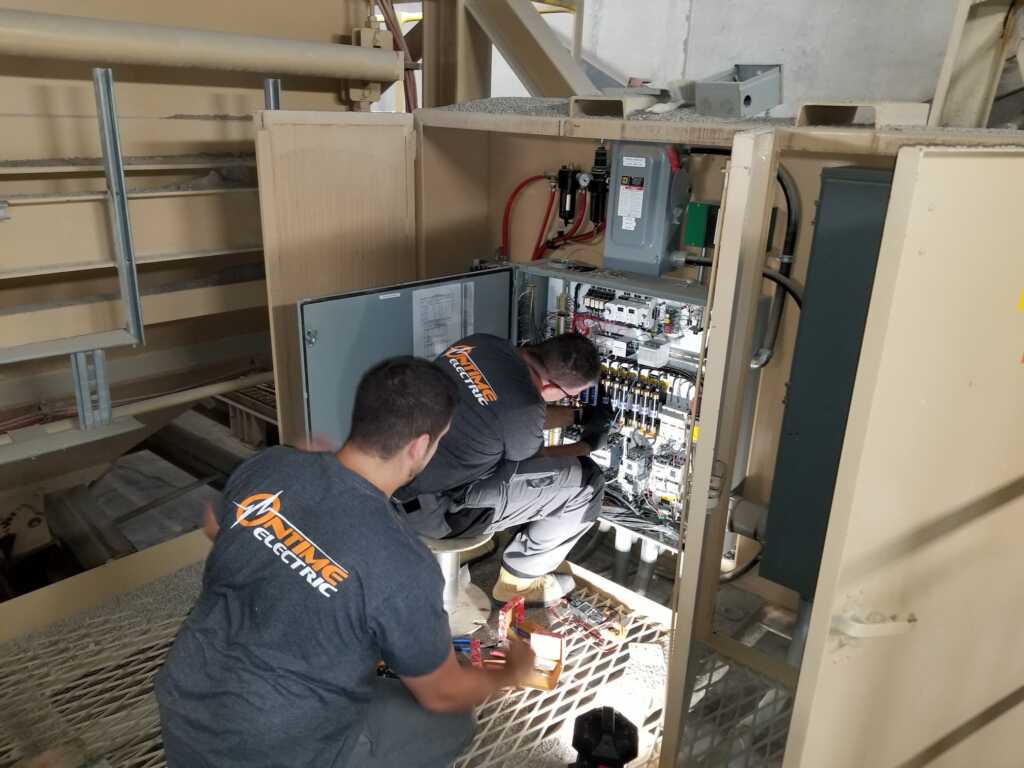
Adding a circuit breaker to your home is certainly one of the more expensive undertakings when it comes to electrical renovations for any homeowner. A circuit breaker can cost several thousand dollars because of the complex nature of your home’s wiring as well the many components that exist within the box itself. But you must think about two things. The first is your quality of life.
It may be vastly improved if you have 200 amps or even 400 amps service compared to simply 60 amps service that comes standard with so many older fuse boxes. Despite the cost, an electrical panel upgrade makes life more enjoyable and boosts your home’s resale value.
Application for Each System
Consider how much power your family uses on a daily basis when you’re decided on the right electrical system for your home. Fuses were used in all homes earlier in the 20th century because appliances didn’t draw that much power and we didn’t all have computers and phones to constantly charge.
However, with today’s modern appliances and people’s tendency to buy larger power tools for hobbies in a garage, or even electrical vehicle charging, circuit breakers are certainly the way to go because of their ability to handle an increased electrical capacity so easily.

Why a Professional Electrician Should Decide

Even though you’ve read this comprehensive guide on electrical systems, and you think that you have a good grasp of whether fuses or circuit breakers are the right choice for your home, don’t go out and buy your circuit breaker for installation just yet. It’s highly advisable that you invite a qualified and licensed electrician like the ones at Ontime Electric into your home. Our trained professionals can quickly and safely identify the needs of your home and make a proper suggestion for the right type of equipment to install including the correct size, capacity and style of breaker or fuse box.
Ontime Electric understands electric hazards and electrical safety above all else: Even though you’ve thoroughly thought about all of your family’s power needs, you might not be considering all the necessary factors including potential problems that come with adding systems into your property. A qualified and experienced electrician can determine the style of power that’s best for your property. They’ll also lay out the risks associated with retaining your old fuse box versus updating to a more efficient and modern circuit breaker panel. Let us help you minimize the risk with superior knowledge and expertise.
Using a professional electrician can cut down on renovation costs: Some DIY jobs are very appealing when you think about the perceived savings, but it’s simply not that straightforward. The money you save by forgoing the hiring of a professional, certified electrician may very well be incurred at a later date should the uninsured work cause an electrical fire or even worse — an injury to a loved one. The professional electricians at Ontime Electric will help you responsibly design your home’s entire electrical system so you have all the power you need for today and for the many years to come. And all of our work is backed up by our personal guarantee, an industry-leading warranty and of course, your home insurance.
Electricians can finish the job quickly and safely: For the inexperienced amateur, swapping out or upgrading an electrical panel is no easy task. You need to be familiar with electrical system design, points of failure and how to troubleshoot when things inevitably need to be adjusted. If you decide to go with experienced electricians at Ontime Electric, you’re ont just paying for convenience, but also for an experienced hand who knows how to get the project completely efficiently and without concern. Individual homeowners should avoid doing their own electrical work if possible — especially when it concerns work with a fuse box or circuit breaker panel.
Contact Us

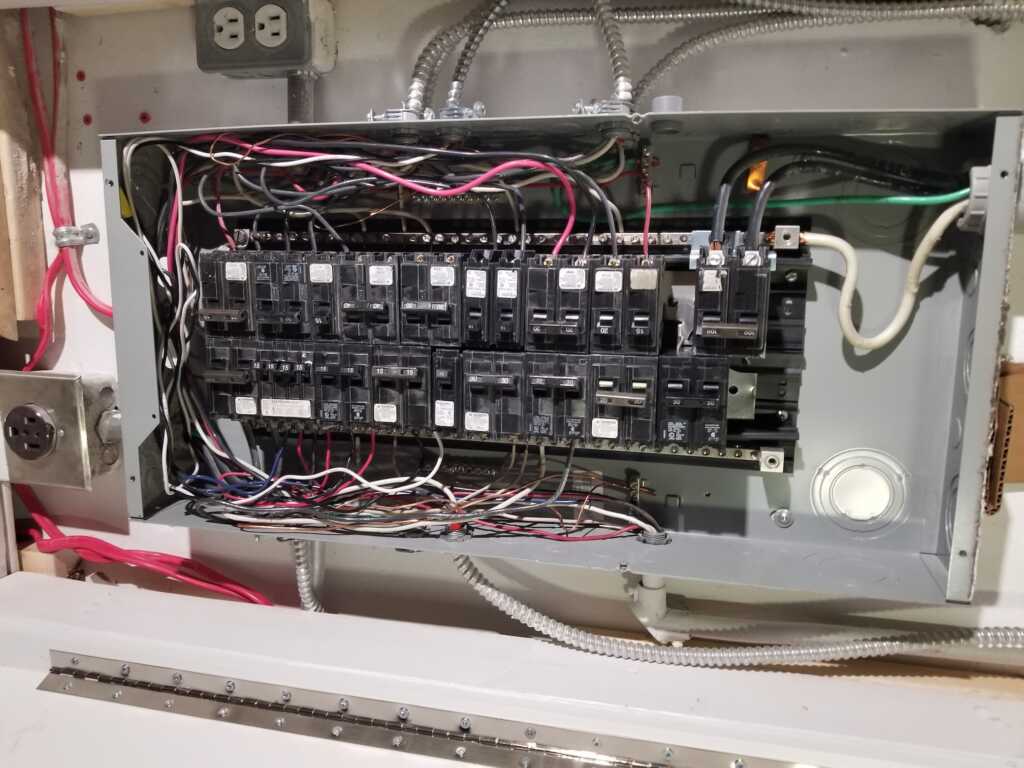
For many years, Ontime Electric has been Toronto and the Greater Toronto Area’s preferred team of electricians for all kinds of electric jobs both big and small. Whether you need a simple electrical upgrade, home inspection or complete wiring design drawn up for a new build — our team of professionals is ready to help you out.
Every crew member we send to site is trained to deliver first-rate customer service. Our fully licensed, certified and trained teams know how to work with electrical codes and standards so you can rest easy knowing that your job is in the hands of someone who truly knows what they are doing.
Ask our endless list of satisfied clients about your amazing menu of services including pot light installation for interior and exterior spaces, electrical panel repairs and electrical panel upgrades, security light installation, home rewiring, knob and tube removal, light fixture installation, and kitchen light installation including undercabinet lighting solutions.
Don’t wait, call Ontime Electric today to book your appointment.