


Last updated: September 2026
Many homeowners don’t know a lot about the inner workings of their home’s electrical system. A broken electrical outlet is a common issue that most people will encounter at some point. Is your electrical outlet not working?
There are a few things you can try safely at home, but the team at Ontime Electric recommends hiring a professional electrician to diagnose and fix any electrical issue that you may be having. Keep reading if you’d like to learn more about how to fix an electrical outlet.
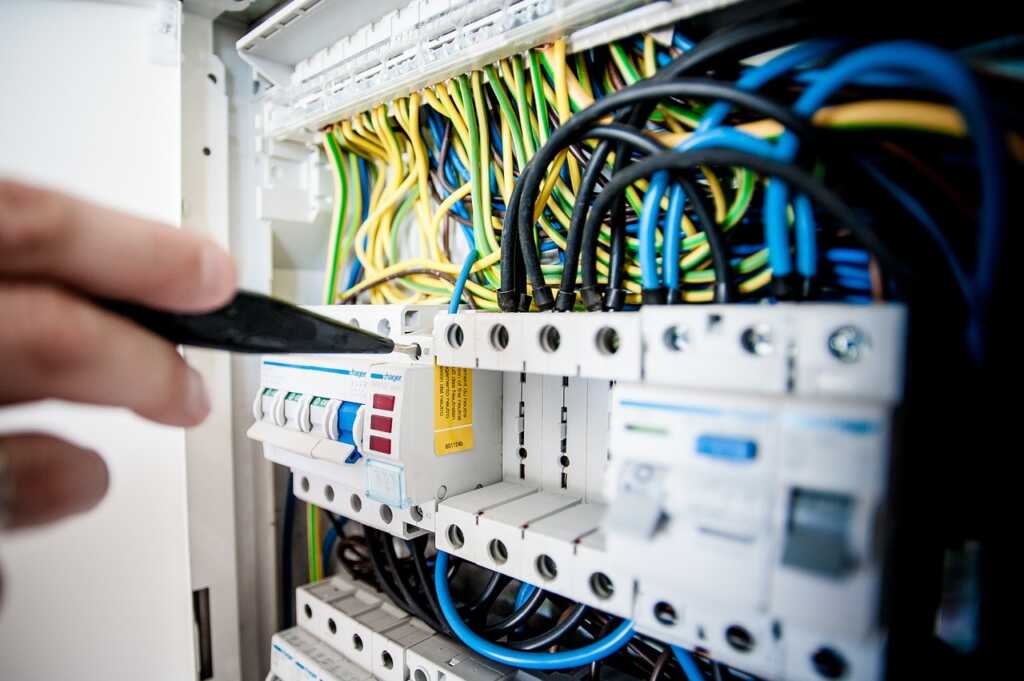
Check Circuit Breaker

Too much flow of electricity headed for the outlet, the circuit breaker it’s connected to will trip and turn off to prevent it from overheating and starting a fire.
If the break is flipped to the off position, simply flip it back which might fix your issue.
Fuse is Blown
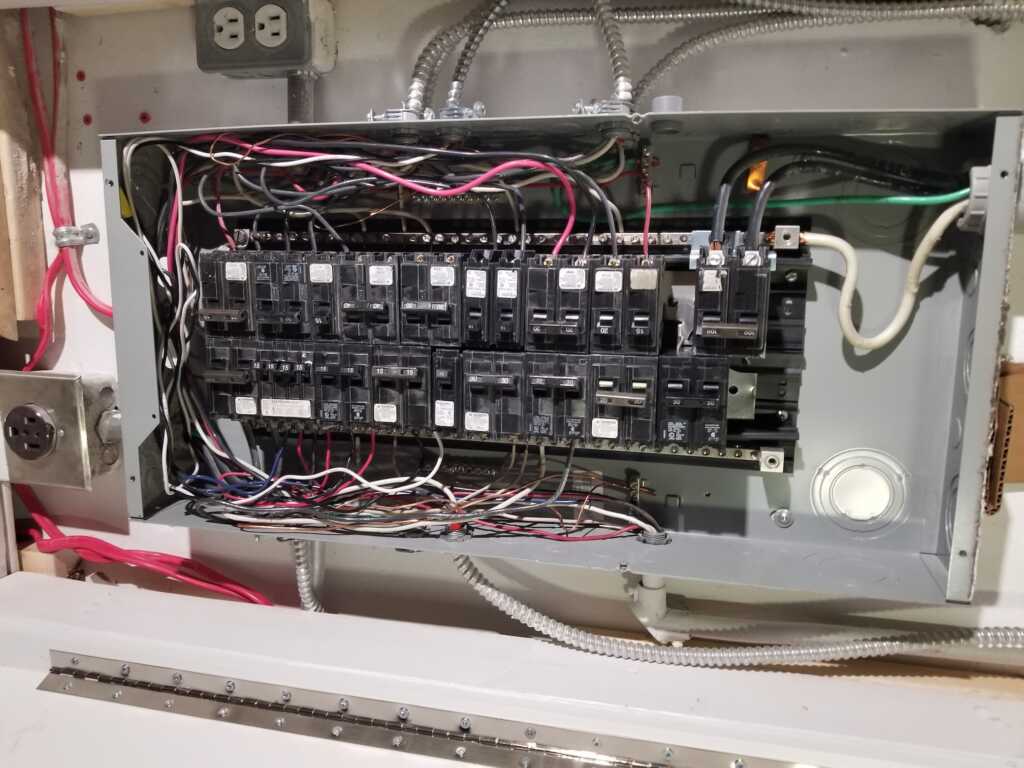
If you have an older home that uses fuses instead of circuit breakers, you need to check the fuse box.
Look for any fuses that appear to be melted or that have a glass casing with a funny color. Once you find the blown fuse, replace it with a new one.
Tripped GFCI Outlet
GFCI, which stands for ground-fault circuit interrupter, is an outlet that is engineered to shut itself down when a short is detected.
You’ll mainly find them near areas with water including a bathroom, kitchen, or outside. They always have easily identifiable buttons labeled “test” and reset” on them.
Outlet Not Working but the Breaker Isn’t Tripped?
This is one of the most confusing versions of the problem: the breaker looks fine, no GFCI has tripped, but the outlet is dead. The usual causes are a loose wire connection behind the outlet or at an upstream outlet on the same circuit, a failed “backstab” connection common in older installations, or a half-hot outlet controlled by a wall switch you didn’t know about.
Check nearby switches first. If that’s not the issue, stop there — opening outlets is electrician territory. A dead outlet with a healthy breaker can indicate a loose or overheating connection, which may create a fire risk and should be taken seriously.
Burned Out Outlets
In some cases, a strong electrical current can start a fire in an electrical outlet. It will stop working and you may see some signs of blackened plastic on the outside of the outlet.
If you notice this, the entire outlet will need to be replaced. This also means your home could face danger and you should have the issue handled immediately by a professional electrician.

Half-Hot Outlet
Sometimes outlets have one plug that is controlled by a wall switch. If you’re getting no power from one of your outlets, try flipping a wall switch to see if that allows the electricity to start flowing to your plug.
On most models, it’s the lower plug that is connected to a switch.
Loose Wires
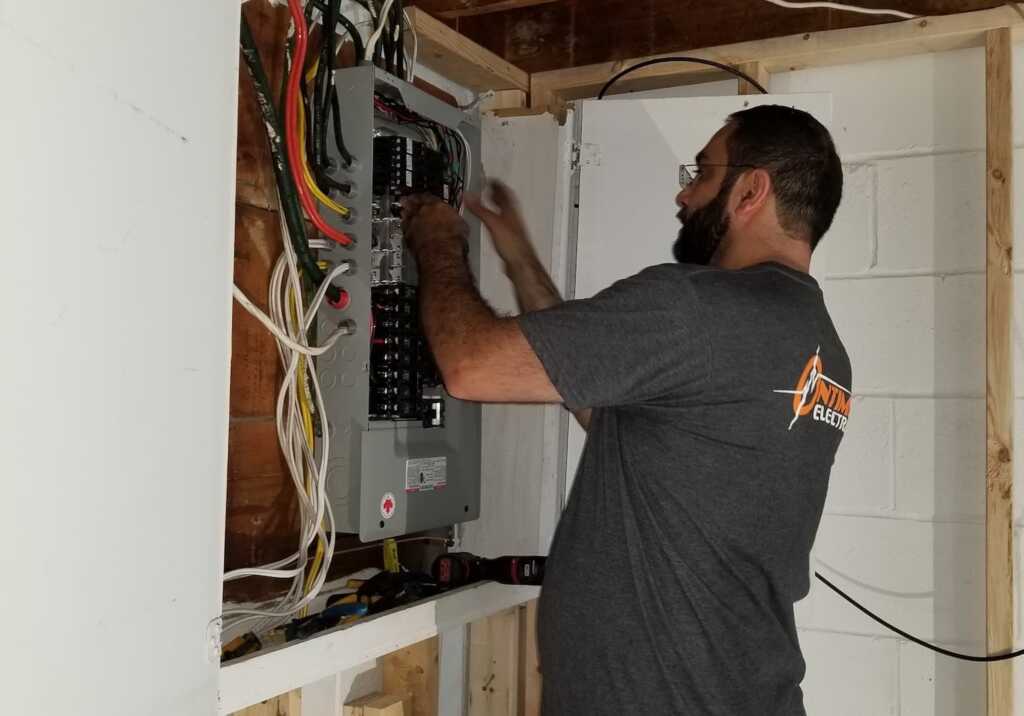
A loose electrical connection can cause an outlet to stop working properly. To check this issue, the outlet must be unscrewed from the wall. It’s highly recommended that you hire a professional, certified electrician to handle this potentially dangerous task.
The electrician can pull the outlet out from the wall and see if any wires need to be tightened, stripped or fully replaced.
Faulty Outlets

It rarely happens, but sometimes your outlet is faulty and just needs to be replaced.
If you’ve tried all the other options outlined above and still can’t seem to get any electricity out of the plug, then it may be time to have an electrician replace your outlet.
Contact Us
If your electrical outlet isn’t working, call Ontime Electric to fix all of your electrical outlet problems and any other electrician services you may require. Our team of fully licensed and insured technicians is standing by to help you with all your electrical repair and installation needs. Call us today for your free consultation.
Childproofing should be performed by a licensed, insured, accredited and qualified electrician to prevent injuries and accidents. Make sure that you hire a professional that you trust.