


Last updated: September 2026
Wondering how to keep your family safe from the risks of aluminum wiring without tearing out your walls? We’ll explain practical solutions and widely accepted repair methods that protect your home without spending a fortune.
Why Aluminum Wiring is Bad?
If your home was built between the late 1960s and mid-1970s, it may have aluminum wiring instead of copper. Builders commonly used aluminum wiring during this period because of a copper shortage in the 1960s. Over time, problems developed at aluminum wiring connections. Research by the Franklin Research Institute for the Consumer Product Safety Commission (CPSC) found that homes with aluminum wiring were 55 times more likely to have outlet connections reach fire-hazard conditions than homes wired with copper.

The aluminum itself isn’t necessarily the problem. Aluminum is a good conductor and costs less than copper. The main concern is how aluminum wiring behaves at connections. Aluminum expands and contracts more than copper as it heats and cools. Over time, this movement can loosen connections, increase electrical resistance, and cause overheating, sparking, or fire. Aluminum also oxidizes quickly when exposed to air, creating an oxide layer that can further increase resistance at connections.
If your home has aluminum wiring, you may face challenges beyond the potential fire risk. Some Ontario insurance companies may refuse to provide or renew coverage unless the wiring is inspected and repaired or replaced as required. Insurers may also request an ESA Certificate of Acceptance after the work is completed.
These requirements can create additional costs when you are selling your home, renovating, or arranging insurance coverage. If your insurer has concerns about aluminum wiring, have a Licensed Electrical Contractor inspect the wiring and determine what repairs are required.
How to Fix Aluminum Wiring Problems?
There are several ways to address this serious issue, but the first step is to determine whether your home has aluminum wiring. Hire a licensed residential electrician to inspect it for you.
Another method is splicing aluminum to copper using pig-tailing with standard crimpers and connectors. These tools can be found at hardware stores, but this method isn’t recommended. Some electricians suggest twisting the wires together with a wire nut and using anti-oxidant paste. However, tests by the CPSC and field experience show that many of these connectors can overheat. Be careful if an electrician recommends this method—it may not be as safe as it seems.

Aluminum Wiring Pigtailing: Copalum & AlumiConn Connectors
Pigtailing is one of the most common repairs for aluminum wiring in Toronto homes. A licensed electrician connects a short length of copper wire to each aluminum conductor using an approved connector. This allows outlets, switches, and fixtures to connect safely to copper while keeping the existing aluminum wiring in place. Done properly with approved aluminum-to-copper connectors and an ESA inspection, pigtailing is a safe, recognized alternative to a full rewire — and it can satisfy insurance requirements when accepted by your insurer.

When repairing aluminum wiring, it’s important to use connectors specifically approved for aluminum, like Copalum or AlumiConn, which are designed to meet current safety standards. The Copalum connector requires a special crimping tool and must be installed by a trained electrician. AlumiConn connectors also require proper installation by an experienced licensed electrician according to the manufacturer’s instructions. When properly installed, these approved connectors provide a safe and reliable alternative to completely replacing the aluminum with copper.
What Does It Cost to Pigtail or Replace Aluminum Wiring?
The cost depends on the number of outlets, switches, and fixtures in your home, as well as whether pigtailing or a full replacement is the right fix. Pigtailing is priced per connection point, so homes with fewer connections and easier access generally cost less. A complete rewire — typically $5,000–$20,000+ depending on the home’s size, accessibility, and scope of work — costs more up front but can make sense during a major renovation when walls are already open. Ontime Electric provides the full price in writing before work begins, including the ESA Notification of Work where required. See our guide on what it costs to wire your house for a full cost breakdown.
Arc Fault Circuit Interrupters Installation
One final step to help protect your home’s electrical system is installing Arc Fault Circuit Interrupters (AFCIs). While they may seem like extra precautions for aluminum wiring repairs, AFCIs provide important protection for your entire electrical system. They quickly shut off power when a dangerous arc fault is detected, helping reduce the risk of electrical fires. Today, AFCIs are required by code on many residential circuits and are also used with copper wiring. Aluminum wiring isn’t inherently dangerous as long as it’s properly inspected, repaired, and maintained by a qualified electrician.

Aluminum Wiring and Home Insurance in Ontario
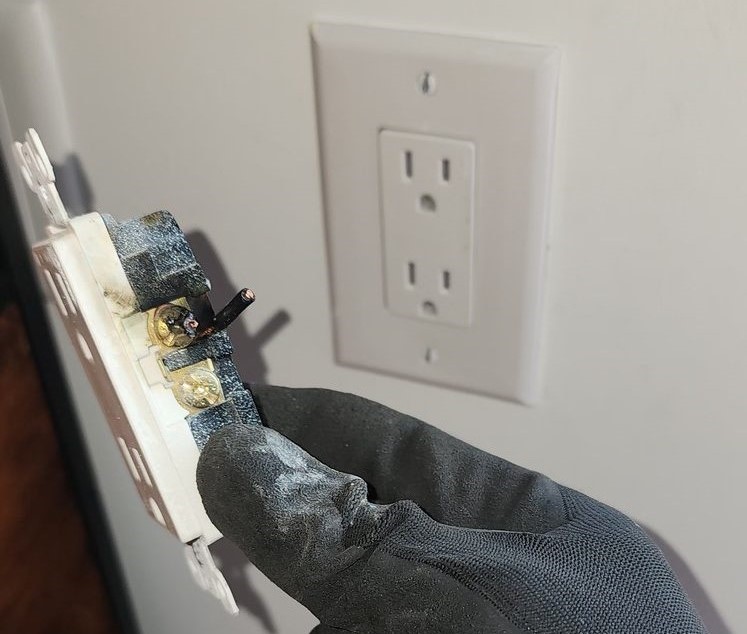
Some Ontario insurers may not issue or renew a policy on a home with unrepaired aluminum wiring, or may require an inspection first. Depending on the insurer, they may also ask for proof that the wiring has been repaired by a licensed electrical contractor and accepted by the Electrical Safety Authority (ESA). After pigtailing or replacement, Ontime Electric provides you with the ESA Certificate of Acceptance for the completed work. If your insurer has flagged aluminum wiring in your home, call 416-882-6000 — this is one of the most common electrical issues we handle in homes built between the mid-1960s and late 1970s.